Individual Support
Kalyani Chawla, Kaamna Prasad (New Delhi), Katayun Saklat (Kolkata), Janak Jhankar Narzary (SantiNiketan), Sangeeta Thapa (Nepal), Yusuf (Bhopal), Suruchi Chand (Mumbai).
Partnering Organizations / Institutions
The project was supported by the Bharat Bhawan (Bhopal), Genesis Art Gallery (Kolkata), ICCR (Hyderabad), Kala Bhawan (Shantiniketan), Katayun Gallery (Kolkata), Modi Foundation (New Delhi), Montage Art (New Delhi), National Gallery of Modern Art (Mumbai), Siddhartha Art Gallery (Nepal) and the Parliamentarian Forum for Human Development (New Delhi).
A Regional Movement
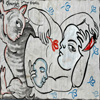
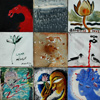
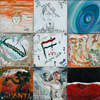
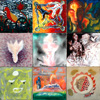
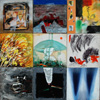
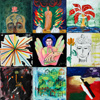
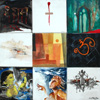
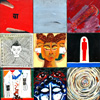
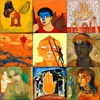
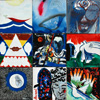
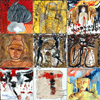
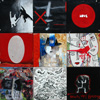
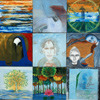
Creative workshops were organised across major centres of contemporary art in the Indian subcontinent, including New Delhi, Mumbai, Kolkata, Hyderabad, Bhopal, Santiniketan, and across Nepal, bringing together established and emerging artists in an unprecedented regional collaboration.
The project was supported by the Bharat Bhawan (Bhopal), Genesis Art Gallery (Kolkata), ICCR (Hyderabad), Kala Bhawan (Shantiniketan), Katayun Gallery (Kolkata), Modi Foundation (New Delhi), Montage Art (New Delhi), National Gallery of Modern Art (Mumbai), Siddhartha Art Gallery (Kathmandu) and the Parliamentarian Forum for Human Development (New Delhi).
The movement also welcomed the participation of distinguished writers, scholars, and public intellectuals, including Ashok Vajpeyi, Chitra Mudgal, Saryu Doshi, B. K. Modi, Gagan Gill, Ian Baker, and Ramesh Shah, together with social and spiritual leaders including Nirmala Deshpande, Shivraj Patil, and Lhatsun Rinpoche. The project's spirit of harmony was further celebrated through a peace song performed by acclaimed vocalist Soma Ghosh.
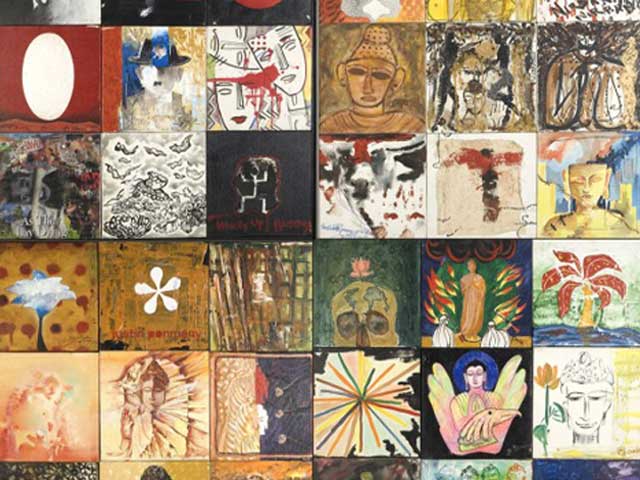
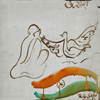
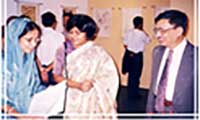
As a gesture of peace and international solidarity, the Foundation presented Peace Panels and rice-paper drawings to numerous national and international leaders, including K. R. Narayanan, Digvijaya Singh, Narendra Modi, Najma Heptulla, Feodor Starčević, Mahendra Chaudhry, and the Secretary-General of SAARC.
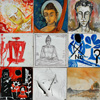
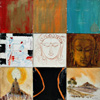
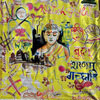
On 18 December 2002, Habiart Foundation presented a Peace Panel depicting the Buddha to Dalai Lama at Habiart Centre in New Delhi. His Holiness warmly welcomed the Foundation's creative and non-violent initiative, recognising art as a powerful vehicle for fostering compassion and peace among communities.
Sphote : Exhibited At

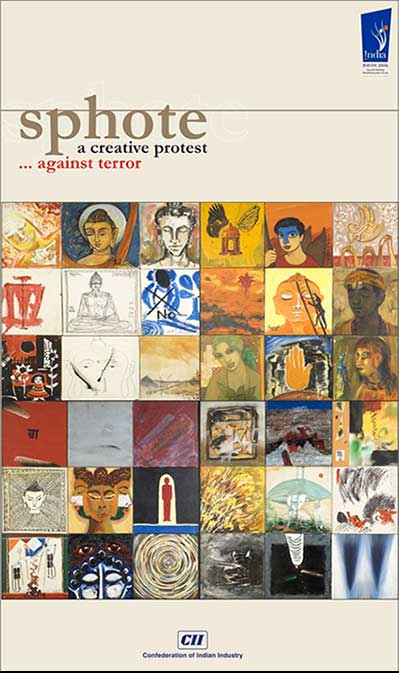
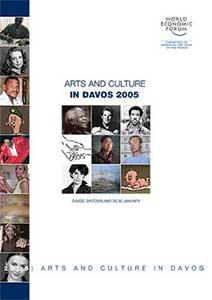 The message of SPHOTE extended well beyond South Asia. In January 2006, the Habiart Foundation, in collaboration with the Confederation of Indian Industry (CII), presented a curated selection of contemporary Indian artworks at the prestigious World Economic Forum Annual Meeting in Davos, Switzerland, as part of CII’s high-profile India Everywhere campaign.
The exhibition introduced an international audience of global business leaders, policymakers, and thinkers to the diversity and vitality of contemporary Indian art.
More significantly, SPHOTE demonstrated how creativity and artistic expression can transcend boundaries and serve as powerful instruments of dialogue, reconciliation, and hope.
 Sri K. R. Narayanan (Former President of India) , Sri Digvijay Singh (Chief Minister
of Madhya Pradesh), Shri Narendra Modi (Gujarat Chief Minister), Smt. Najma Heptulla
(Deputy Chairperson Rajya Sabha), Feoder Starcevi (Director UN Information Centre)
Shri Mahendra Chaudhry (ex Prime Minister of Fiji), and the SAARC Secretary General
were presented rice paper drawings as a gesture of solidarity.
Sri K. R. Narayanan (Former President of India) , Sri Digvijay Singh (Chief Minister
of Madhya Pradesh), Shri Narendra Modi (Gujarat Chief Minister), Smt. Najma Heptulla
(Deputy Chairperson Rajya Sabha), Feoder Starcevi (Director UN Information Centre)
Shri Mahendra Chaudhry (ex Prime Minister of Fiji), and the SAARC Secretary General
were presented rice paper drawings as a gesture of solidarity.
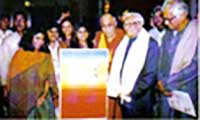 On 18th December 2002 Habiart Foundation presented a peace panel (depicting the Buddha)
from the special collection to His Holiness, the Dalai Lama at Habitat Centre, New
Delhi. His Holiness welcomed the creative and non-violent movement undertaken by
the Foundation.
On 18th December 2002 Habiart Foundation presented a peace panel (depicting the Buddha)
from the special collection to His Holiness, the Dalai Lama at Habitat Centre, New
Delhi. His Holiness welcomed the creative and non-violent movement undertaken by
the Foundation.
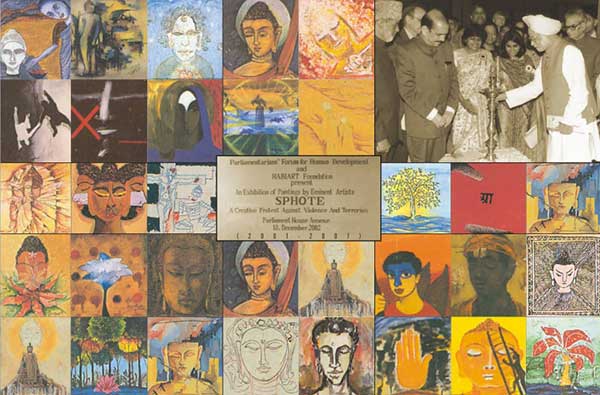
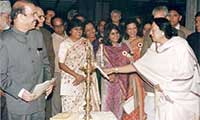 On 13 December 2002, the exhibition of the Peace Panels opened at the Parliament Annexe in New Delhi, marking a significant moment in the project's public journey. The inauguration was attended by national leaders including Bhairon Singh Shekhawat, L. K. Advani, Manmohan Singh, Karan Singh, Najma Heptulla, Manohar Joshi, and more than one hundred Members of Parliament.
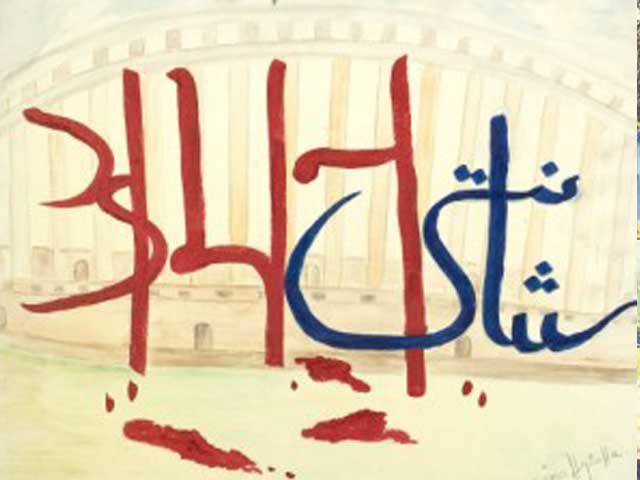
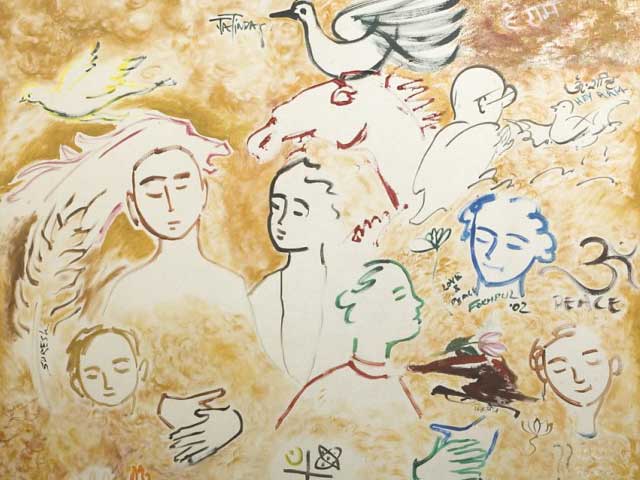
During the inauguration, a signature Peace Panel was created live by eminent artists including Anjolie Ela Menon, Jatin Das, Dhiraj Chowdhury, Suresh Chowdhury, Alka Mathur, and Fokhrul Islam, symbolising collective artistic solidarity across national borders.